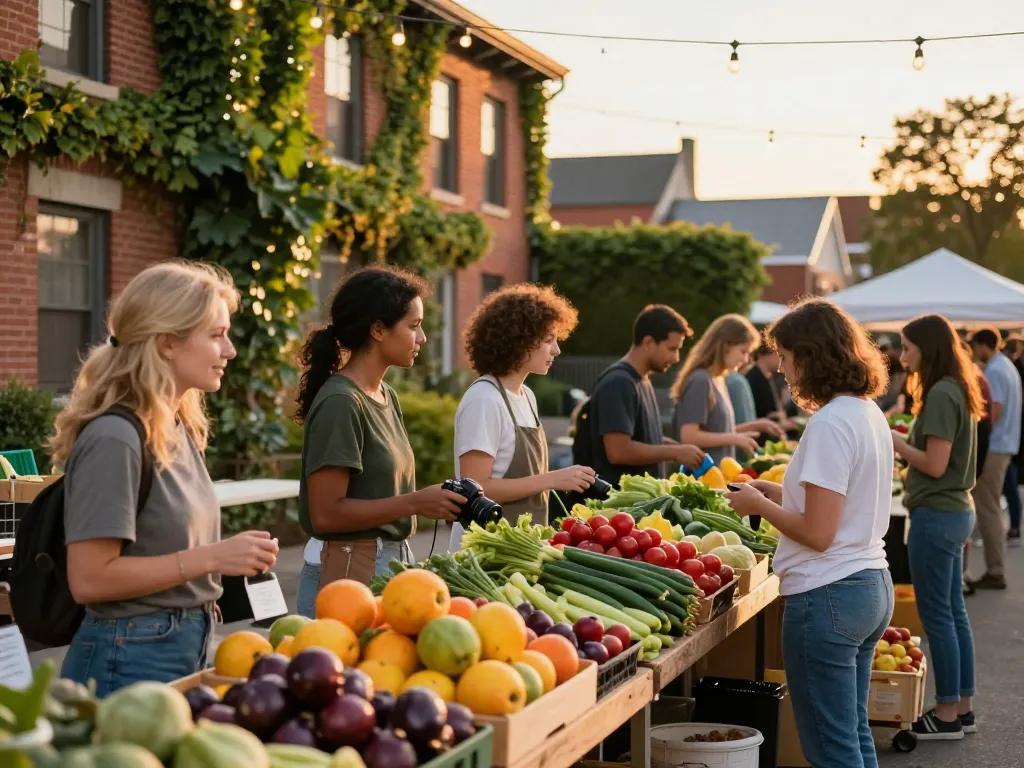
Understanding Community Dynamics
Communities are intricate social systems that shape the lives of individuals and influence the broader society. Understanding community dynamics is essential for fostering inclusive environments, promoting social responsibility, and enhancing the quality of life for all residents. This section delves into the definition of community, the importance of social cohesion, and the various factors that influence community development.
Defining Community: Types and Characteristics
A community can be defined as a group of individuals who share common interests, values, or geographical locations. Communities can be categorized into several types, including:
- Geographic Communities: Defined by physical boundaries, such as towns, neighborhoods, or cities.
- Cultural Communities: Comprised of individuals who share linguistic, ethnic, or cultural backgrounds.
- Interest-Based Communities: Formed around shared interests or hobbies, such as sports clubs or artistic groups.
- Virtual Communities: Online spaces where individuals interact, share information, and build connections, regardless of geographical limitations.
Key characteristics of thriving communities include:
- Shared Identity: A sense of belonging and mutual recognition among community members.
- Collective Purpose: Common goals and aspirations that unite members, driving community initiatives.
- Social Networks: The relationships and connections that facilitate support and collaboration.
- Resource Availability: Access to services, facilities, and opportunities that enhance the community's quality of life.
The Role of Social Cohesion in Communities
Social cohesion refers to the bonds that connect individuals within a community. It is vital for fostering trust, cooperation, and a sense of belonging among members. High levels of social cohesion can lead to:
- Increased Participation: Community members are more likely to engage in civic activities and volunteer for local initiatives.
- Improved Well-Being: Cohesive communities experience lower levels of crime and higher overall life satisfaction.
- Resilience: Strong social ties enable communities to better withstand economic, environmental, and social challenges.
To promote social cohesion, communities can implement strategies such as community events, inclusive decision-making processes, and programs that encourage interaction among diverse groups. For example, the "Neighborhoods Together" initiative in Chicago successfully brought together residents from different backgrounds to address local issues collaboratively.
Factors Influencing Community Development
Community development is a multifaceted process influenced by various factors, including:
- Economic Opportunities: The availability of jobs and economic resources directly affects community growth and sustainability.
- Access to Education: Quality education systems empower individuals and foster community engagement.
- Government Policies: Local and regional policies can either support community initiatives or create barriers to development.
- Environmental Factors: Natural resources, geography, and climate can shape community planning and development strategies.
For instance, the revitalization of the Detroit neighborhood of Corktown illustrates how targeted economic investments and supportive policies can stimulate community development. The collaboration between local businesses, government agencies, and residents has transformed Corktown into a thriving hub for innovation and culture.
Social Structures and Their Impact
Social structures are the organized patterns of relationships and institutions that shape social life. Key social institutions such as family, education, and religion play significant roles in influencing community dynamics and individual behaviors. Understanding these structures is crucial for promoting effective community engagement and development.
Understanding Social Institutions: Family, Education, and Religion
The family is often considered the cornerstone of community life. It serves as the primary unit of socialization, imparting values, norms, and traditions to new generations. Strong family structures can enhance community stability by fostering supportive relationships and contributing to social cohesion.
Education systems are another critical social institution that shapes community dynamics. Schools not only provide knowledge but also create spaces for social interaction and civic engagement. Communities with robust educational institutions tend to have higher levels of participation in local governance and community initiatives.
Religion, too, plays a pivotal role in shaping community values and norms. Faith-based organizations often mobilize resources for local needs, provide social services, and facilitate community bonding through shared beliefs and practices. For instance, interfaith initiatives such as "Faith in Action" have demonstrated how religious communities can collaborate to address social issues like poverty and homelessness.
The Influence of Economic Systems on Community Life
The economic system of a community significantly impacts its social structure and overall quality of life. Economic opportunities determine the resources available for community development, influencing factors such as employment rates, education access, and health services. Communities with diverse and sustainable economic systems tend to be more resilient and adaptable to change.
For example, the cooperative business model has gained traction in various communities, allowing members to pool resources and share profits. The Mondragon Corporation in Spain stands as a successful case study of how cooperative economies can uplift communities by providing stable employment and promoting local development.
Political Structures and Civic Engagement
Political structures, including local government, civic organizations, and advocacy groups, play a crucial role in shaping community governance and participation. Effective political engagement enables communities to influence policies and advocate for their needs. Civic engagement can take many forms, from voting in local elections to participating in town hall meetings or joining advocacy campaigns.
In many cases, grassroots movements have emerged as powerful agents of change. The "Black Lives Matter" movement is a notable example of how community activism can raise awareness and drive policy reforms regarding social justice and equality. Such movements often rely on strong community networks to mobilize support and sustain momentum.
Challenges Facing Modern Communities
Despite the potential for growth and cohesion, modern communities face numerous challenges that can hinder their development. These challenges include inequality, displacement, and the impact of technology on social interactions. Understanding these issues is essential for creating effective solutions.
Addressing Inequality and Marginalization
Inequality and marginalization pose significant barriers to community cohesion and development. Socioeconomic disparities can lead to divisions within communities, where certain groups may feel excluded from resources and opportunities. Addressing inequality requires targeted interventions, including equitable access to education, healthcare, and job opportunities.
Community-led initiatives that focus on empowerment and inclusion are vital in combating these issues. Programs like "The Empowerment Project" in Seattle aim to uplift marginalized populations by providing mentorship, skills training, and pathways to leadership roles within the community.
Community Displacement and Gentrification Issues
Gentrification, the process of transforming urban neighborhoods through the influx of more affluent residents, often leads to the displacement of long-standing community members. While gentrification can bring economic development, it can also erode the cultural fabric and social networks of affected communities.
To mitigate the adverse effects of gentrification, cities can implement policies that protect affordable housing, support local businesses, and engage residents in the development planning process. The "Community Land Trust" model has emerged as a viable solution, allowing communities to collectively own land and manage it for the benefit of existing residents.
The Impact of Technology on Community Interactions
Technology has transformed the way communities interact and communicate. While it provides new avenues for connection, it can also lead to social isolation and fragmented relationships. The rise of social media and virtual communities has created both opportunities for engagement and challenges regarding genuine connection.
To harness the benefits of technology, communities can promote digital literacy and create online platforms that facilitate meaningful interactions. Initiatives like "Tech for Good" focus on using technology to bridge gaps and strengthen community bonds by fostering inclusive dialogue and collaboration.
Building Stronger Communities
Strengthening communities requires proactive strategies that encourage engagement, foster inclusivity, and support local initiatives. This section outlines effective community engagement practices and highlights the importance of volunteering and local organizations in building resilient communities.
Community Engagement Strategies and Best Practices
Effective community engagement involves creating genuine opportunities for residents to participate in decision-making processes and contribute to local initiatives. Best practices for community engagement include:
- Inclusive Outreach: Ensure that all voices are heard, particularly those from marginalized groups, through targeted outreach efforts.
- Transparent Communication: Establish open channels for information sharing, allowing residents to stay informed and involved.
- Collaborative Decision-Making: Involve community members in planning and implementing projects, fostering a sense of ownership and accountability.
- Feedback Mechanisms: Create opportunities for residents to provide input on community initiatives and policies, ensuring their concerns are addressed.
The "Participatory Budgeting" process, implemented in various cities worldwide, exemplifies an effective community engagement strategy, allowing residents to directly influence budgetary decisions.
The Role of Volunteering and Local Organizations
Volunteering is a powerful tool for building community connections and addressing local needs. Local organizations play a vital role in facilitating volunteer opportunities and mobilizing resources. By fostering a culture of volunteerism, communities can enhance social cohesion and empower residents to take action.
Programs like "United Way" exemplify how local organizations can coordinate volunteer efforts, connect individuals with meaningful opportunities, and address pressing community challenges such as hunger and homelessness.
Creating Inclusive Spaces for Diverse Populations
Inclusivity is essential for fostering community cohesion and ensuring that all members feel valued and respected. Creating inclusive spaces involves recognizing and celebrating diversity while actively working to eliminate barriers to participation. Strategies for promoting inclusivity include:
- Diversity Training: Provide training for community leaders and organizations to understand and embrace cultural differences.
- Accessible Facilities: Ensure that public spaces and resources are accessible to individuals with disabilities and other marginalized groups.
- Cultural Events: Organize events that celebrate the diversity of the community, fostering understanding and connection among residents.
The "Welcome Home" initiative in New York City serves as a model for creating inclusive spaces, focusing on empowering immigrant communities and fostering cross-cultural interactions.
Future Trends in Community and Society
The future of communities is shaped by emerging trends that reflect societal changes and technological advancements. Understanding these trends is essential for adapting to the evolving landscape of community and society.
The Role of Digital Communities in Society
Digital communities play an increasingly significant role in shaping social interactions and community engagement. The rise of social media platforms and online forums has created virtual spaces for connection, collaboration, and activism. While digital communities can enhance engagement, they also present challenges related to misinformation and social fragmentation.
To leverage the potential of digital communities, local organizations can establish online platforms that foster constructive dialogue and facilitate connections among residents. Initiatives like "Nextdoor" exemplify how neighborhood-focused social networks can enhance community engagement and strengthen local ties.
Sustainable Practices for Community Resilience
As communities face environmental challenges, sustainable practices have become crucial for resilience and growth. Sustainable development involves balancing economic growth with environmental stewardship and social equity. Communities can adopt sustainable practices by:
- Implementing Green Initiatives: Promote community gardens, renewable energy projects, and waste reduction programs.
- Encouraging Local Sourcing: Support local businesses and farmers to strengthen the local economy while reducing environmental impact.
- Promoting Transportation Alternatives: Develop bike lanes, public transit options, and pedestrian-friendly infrastructure to reduce reliance on cars.
The "Sustainable Communities Initiative" is a successful example of how communities can integrate sustainability into their planning and development efforts, leading to long-term resilience.
Innovative Approaches to Governance and Community Leadership
Innovative governance models are emerging as communities seek to enhance participation and responsiveness. Approaches such as "co-governance" and "collaborative governance" emphasize shared decision-making and community involvement. These models foster transparency and accountability, ensuring that community needs are met effectively.
Additionally, community leadership is evolving to embrace diverse voices and perspectives. Initiatives like "Lead Community" focus on developing leadership skills among underrepresented groups, empowering them to influence local governance and community initiatives.