Understanding the Foundations of Arts & Entertainment
The realms of arts and entertainment are deeply intertwined, representing a rich tapestry of human creativity and cultural expression. They encompass a vast array of practices and products that entertain, inspire, and provoke thought. This section delves into the foundational concepts that define arts and entertainment, their cultural significance, and the diverse forms of artistic expression that exist within these categories.
Defining Arts & Entertainment: Key Concepts
At its core, arts and entertainment can be defined as the various forms of creative expression that aim to engage, inform, or amuse audiences. The term "arts" typically refers to disciplines such as visual arts, performing arts, and literature, while "entertainment" encompasses activities or productions designed to captivate and hold the attention of an audience.
Key concepts within this domain include:
- Creativity: The cornerstone of any artistic endeavor, creativity involves the generation of new ideas, forms, or interpretations.
- Audience Engagement: Both arts and entertainment require an audience. The interaction between creators and audiences often shapes the impact of the work.
- Cultural Reflection: Artistic expressions often reflect societal values, norms, and issues, serving as a mirror to the world.
Understanding these concepts is vital for appreciating how arts and entertainment influence society and culture.
The Role of Culture in Shaping Arts & Entertainment
Culture plays a pivotal role in shaping the landscape of arts and entertainment. It encompasses the beliefs, practices, languages, and symbols that characterize a community or society. Cultural contexts inform the themes, styles, and techniques utilized by artists and entertainers, resulting in a diverse range of expressions across different societies.
Consider the following:
- Historical Context: The arts have evolved through various historical movements, such as the Renaissance or the Harlem Renaissance, highlighting cultural shifts and societal changes.
- Regional Influences: Different geographical locations foster unique artistic traditions; for example, African tribal art differs vastly from Asian calligraphy.
- Globalization: Increased connectivity has led to cross-cultural influences, allowing artists to draw inspiration from a broader palette of styles and ideas.
This interplay between culture and artistic expression not only enriches the arts but also fosters a greater understanding of diverse perspectives.
Different Forms of Artistic Expression: An Overview
The spectrum of artistic expression is vast, encompassing various forms that cater to different tastes and interests. Here are some of the primary categories:
- Visual Arts: This includes painting, sculpture, photography, and digital arts, which primarily appeal to the sense of sight.
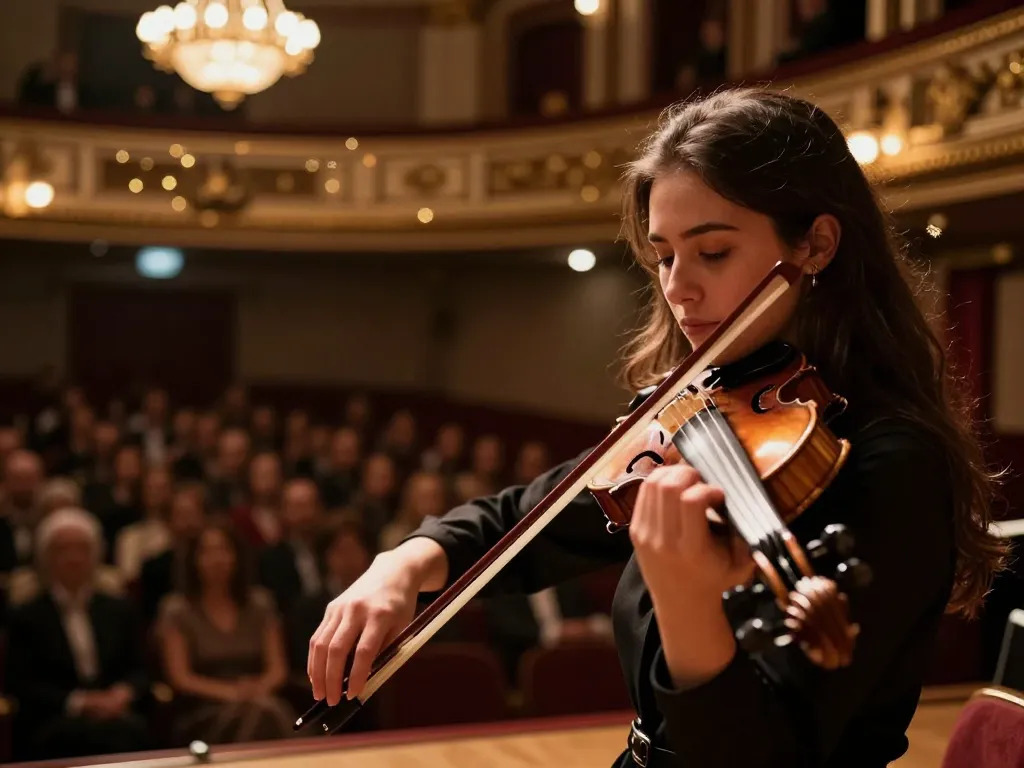
- Performing Arts: Theatre, music, and dance engage audiences through live performances, often emphasizing movement and sound.
- Literature: Written works, including poetry, fiction, and non-fiction, offer narrative and thematic depth, influencing other artistic forms.
Each of these forms contributes uniquely to the overall landscape of arts and entertainment, creating a rich tapestry of human expression.
Exploring Various Art Forms
To truly appreciate the breadth of arts and entertainment, one must explore the various forms that constitute this vibrant field. Each art form brings its own methodologies and experiences, contributing to an ever-evolving dialogue within the cultural sphere.
Visual Arts: Painting, Sculpture, and Photography
Visual arts encompass a wide range of creative expressions that are primarily visual in nature. This category includes traditional forms such as painting and sculpture, as well as contemporary practices like photography and digital art.
Painting, for example, has a long history, from the classical works of masters like Leonardo da Vinci to modern expressions by artists like Banksy. Each piece often tells a story or conveys a specific emotion, using colors, shapes, and textures to engage viewers.
Sculpture, which can be traced back to ancient civilizations, allows for three-dimensional exploration of form and material. Contemporary sculpture has expanded to include installations and mixed media, challenging traditional notions of what sculpture can be.
Photography has revolutionized the visual arts, capturing moments in time and offering new perspectives on reality. From portraiture to documentary photography, the medium has the power to evoke emotions and tell compelling stories.
Performing Arts: Theatre, Dance, and Music
The performing arts bring stories to life through live performance, engaging audiences in real-time. Theatre combines elements of drama, storytelling, and visual spectacle. Playwrights like Tennessee Williams and contemporary creators like Lin-Manuel Miranda have shaped the landscape of theatre, addressing societal issues and personal narratives.
Dance, a form of movement and expression, transcends language barriers. Styles range from ballet to hip-hop, each conveying emotions and stories through choreography. Famous companies like the American Ballet Theatre and innovative choreographers like Martha Graham have significantly impacted the evolution of dance.
Music, perhaps the most universally accessible form of art, encompasses genres that resonate across cultures. From classical symphonies to contemporary pop, music serves as a powerful medium for storytelling and emotional expression, influencing social movements and personal experiences.
Literature and its Influence on Other Art Forms
Literature serves as a foundation for many artistic expressions, influencing theatre, film, music, and visual arts. The written word has the power to convey complex ideas, emotions, and narratives, serving as inspiration for countless adaptations and interpretations.
For instance, classic novels such as "Pride and Prejudice" have inspired numerous film adaptations, while contemporary works often find their way into stage productions. The interplay between literature and other art forms creates a rich dialogue, allowing for reinterpretation and fresh perspectives.
Moreover, literary devices such as metaphor and symbolism have influenced visual artists, who incorporate these elements into their work, creating layers of meaning that engage audiences on multiple levels.
The Business of Arts & Entertainment
The arts and entertainment sector is not only a vibrant field of creativity but also a complex business landscape. Understanding the economic dynamics, funding mechanisms, and marketing strategies is crucial for artists and performers aiming to succeed in this competitive environment.
Understanding the Arts Market: Supply and Demand Dynamics
The arts market operates on the principles of supply and demand, much like any other industry. Artists and performers supply creative works, while audiences demand entertainment and cultural experiences. Understanding this dynamic is essential for navigating the market effectively.
Several factors influence supply and demand in the arts market:
- Trends and Cultural Shifts: Changes in societal values and preferences can impact what types of art are in demand. For example, the rise of social media has shifted audience preferences towards more accessible and relatable content.
- Economic Conditions: During economic downturns, funding for the arts may decrease, affecting the supply of artistic projects and performances.
- Technology: The advent of digital platforms has expanded the supply of art, enabling artists to reach global audiences, but it has also intensified competition.
Understanding these dynamics can help artists position themselves effectively within the market and identify opportunities for growth.
Funding and Financing for Artistic Projects
Securing funding is often one of the most significant challenges facing artists and entertainers. Various options exist for financing artistic projects, including:
- Grants: Numerous organizations offer grants to support artists, including government agencies, private foundations, and arts councils. Researching and applying for these grants can provide crucial financial support.
- Sponsorships: Collaborating with businesses and brands can help secure funding in exchange for promotional opportunities, creating mutually beneficial relationships.
- Crowdfunding: Platforms like Kickstarter and Indiegogo allow artists to raise funds directly from their audience, fostering community support and engagement.
Understanding the various funding avenues available is essential for artists seeking to bring their projects to fruition.
Marketing Strategies for Artists and Performers
Effective marketing is crucial for artists and performers aiming to reach and engage their audiences. Here are several strategies that can help:
- Building an Online Presence: Establishing a strong online presence through social media, personal websites, and email newsletters can help artists connect with their audience and promote their work.
- Networking: Building relationships within the industry can open doors to collaborations, performances, and exhibitions. Attend events, workshops, and exhibitions to meet fellow artists and industry professionals.
- Engaging Content: Create compelling content that showcases your work, such as behind-the-scenes videos, interviews, and tutorials. This not only builds brand loyalty but also attracts new audiences.
By implementing these marketing strategies, artists can effectively promote their work and expand their reach within the arts and entertainment landscape.
Technology's Impact on Arts & Entertainment
In recent years, technology has profoundly transformed the arts and entertainment industry. From digital platforms to innovative performance techniques, technology has opened new avenues for creativity and audience engagement. This section explores the various ways technology is influencing the arts.
Digital Platforms: Streaming Services and Social Media
Streaming services like Netflix, Spotify, and YouTube have revolutionized how audiences consume entertainment. These platforms provide instant access to a vast array of content, allowing artists to reach global audiences without the traditional barriers of distribution.
Moreover, social media platforms have become essential tools for artists to share their work, connect with fans, and build communities. Platforms like Instagram, TikTok, and Twitter enable artists to engage directly with their audience, fostering a sense of intimacy and connection that can enhance loyalty and support.
As a result, artists can leverage these platforms for marketing, funding, and collaboration opportunities:
- Live Streaming: Artists can host live performances or Q&A sessions, creating a real-time connection with their audience.
- Content Sharing: Sharing snippets of work or behind-the-scenes content can engage followers and encourage them to support the artist.
- Collaborative Projects: Social media allows for collaboration across geographical boundaries, enabling artists to work together on projects that may not have been possible otherwise.
The Role of Virtual and Augmented Reality in Art
Virtual reality (VR) and augmented reality (AR) are emerging technologies that are reshaping the arts landscape. These technologies allow artists to create immersive experiences that engage audiences in innovative ways.
For instance, VR installations can transport viewers into entirely new environments, allowing them to interact with art in a three-dimensional space. Artists like Marina Abramović have experimented with VR to create transformative experiences that challenge perceptions of presence and distance.
AR, on the other hand, enhances the real world by overlaying digital elements. This technology has been used in public art projects, where viewers can point their smartphones at a mural to see animations or hear soundscapes that complement the visual experience.
Both VR and AR offer exciting possibilities for artists, enabling them to push the boundaries of creativity and engage audiences in unique ways.
How Technology is Transforming Live Performances
Technology is also transforming live performances, enhancing the audience experience and expanding creative possibilities. Innovations in sound and lighting technology allow for more dynamic and immersive performances, elevating the overall impact of live shows.
For example, artists like Beyoncé and U2 have incorporated elaborate visual effects and stage designs that utilize cutting-edge technology to create unforgettable experiences. Additionally, live streaming performances have become increasingly popular, allowing audiences who cannot attend in person to participate in the experience from anywhere in the world.
Furthermore, the integration of audience interaction through mobile apps or social media can enhance engagement, allowing viewers to influence aspects of the performance in real-time. This level of interactivity not only enriches the experience but also fosters a deeper connection between artists and their audience.
Future Trends in Arts & Entertainment
As the landscape of arts and entertainment continues to evolve, several key trends are shaping its future. From sustainability initiatives to the push for greater diversity, these trends reflect changing societal values and priorities.
Sustainability and Eco-Conscious Practices in the Arts
In response to growing environmental concerns, many artists and organizations are adopting sustainability practices in their work. This includes using eco-friendly materials, reducing waste, and promoting environmental awareness through their art.
For example, artists like Olafur Eliasson create installations that highlight climate change issues, encouraging viewers to reflect on their relationship with the environment. Additionally, organizations like the Arts Council England have launched initiatives to support sustainable practices within the arts sector.
Implementing sustainable practices not only benefits the environment but also resonates with audiences increasingly concerned about climate change and ecological responsibility.
The Growing Importance of Diversity and Inclusion
Diversity and inclusion have become paramount in the arts and entertainment industry, with a growing recognition of the need for representation across all forms. This trend encompasses not only racial and ethnic diversity but also gender, sexuality, and ability.
Initiatives like the #OscarsSoWhite movement have sparked discussions about representation in film, leading to calls for more inclusive practices in casting, storytelling, and production. Similarly, organizations are working to support underrepresented artists and ensure their voices are heard.
Encouraging diversity within the arts enriches the cultural landscape, allowing for a broader range of stories and experiences to be shared, ultimately benefiting both artists and audiences alike.
Innovative Collaborations Across Different Art Forms
As the boundaries between different art forms continue to blur, innovative collaborations are becoming increasingly common. Artists from diverse disciplines are coming together to create multidisciplinary works that challenge traditional notions of art.
For instance, collaborations between musicians and visual artists can result in immersive installations that engage multiple senses, such as the works created by artists like Björk, who combines music, visual art, and technology in her performances.
These cross-disciplinary collaborations not only expand the creative possibilities but also attract diverse audiences, fostering a sense of community and shared experience.